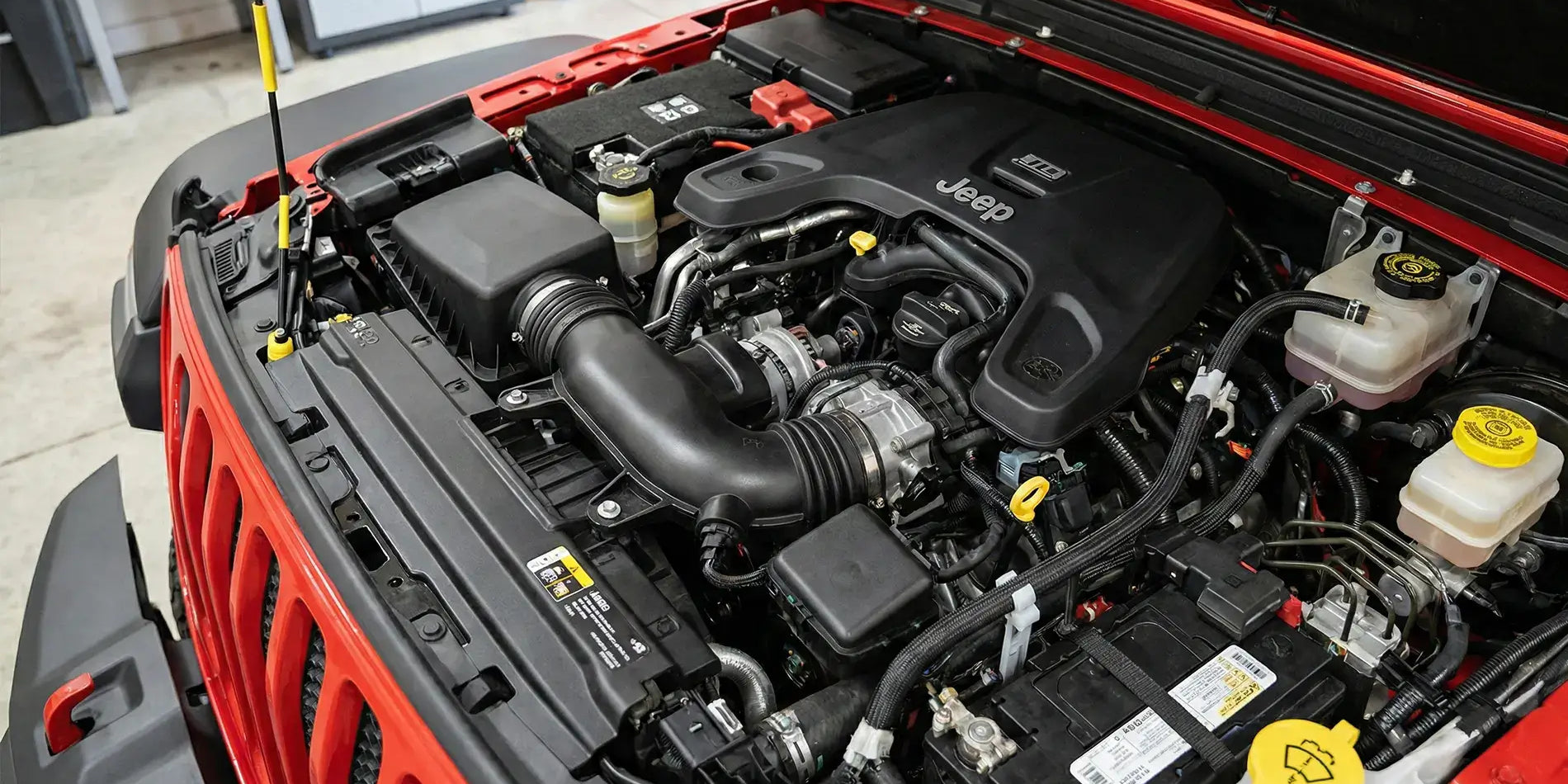
A check engine light serves as an important indicator of your vehicle’s health. A steady light typically signals that your vehicle needs attention soon, while a flashing check engine light indicates a more serious issue, such as a misfire, that could cause severe engine damage if not addressed immediately. Our ASE-certified technicians use advanced diagnostic tools to pinpoint the exact cause of the warning, whether it’s related to emissions, sensors, or engine performance. Once identified, they can perform the necessary repairs quickly and efficiently, helping to prevent costly damage and getting you safely back on the road. Regular maintenance and prompt attention to check engine warnings can extend the life of your vehicle and improve overall reliability.
- On-Board computer scan
- Diagnostic report